AI training & adoption for non-technical teams
AI explained simply enough that your team can use it the next day.
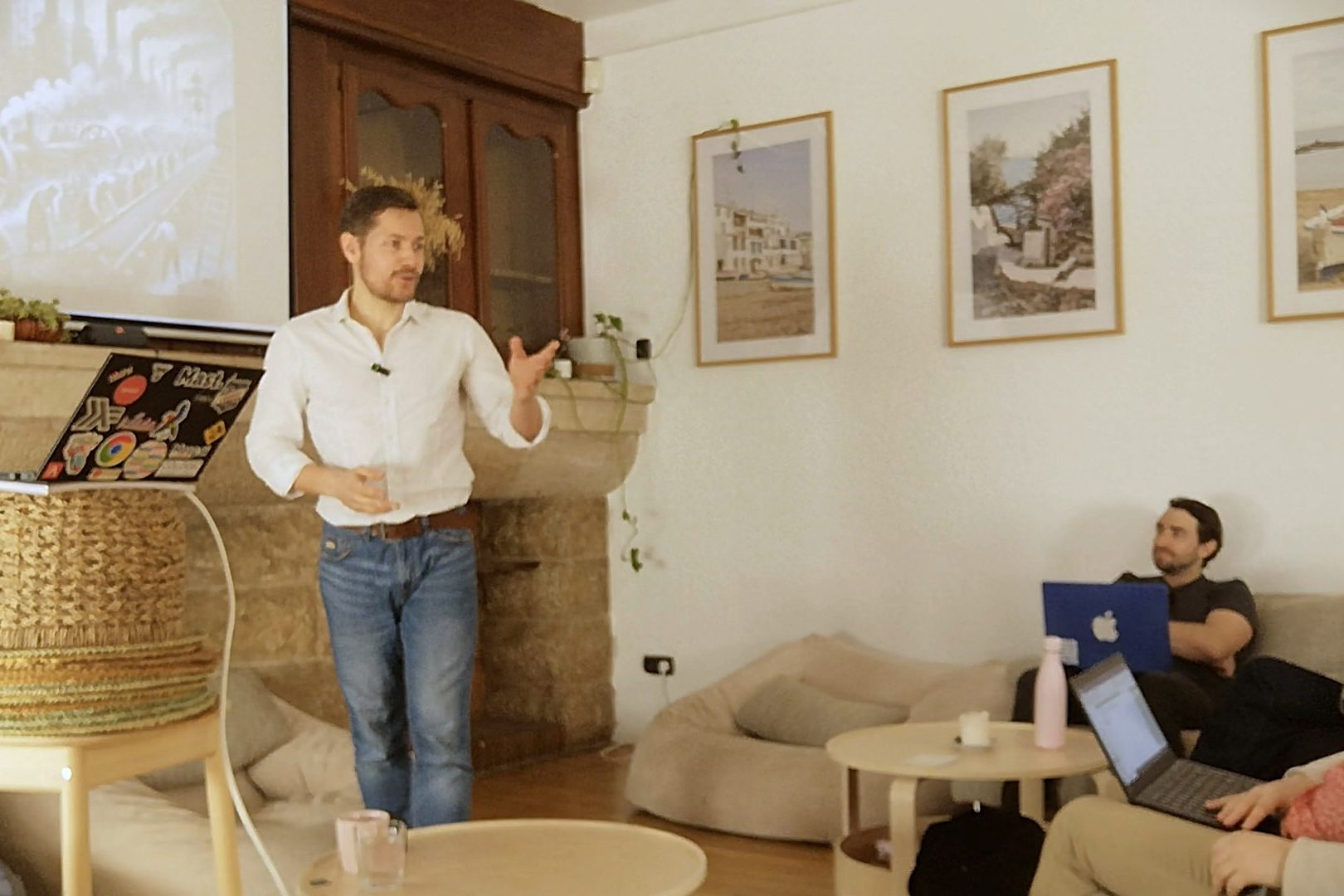
I'm Robert Hangu. I've built software for more than a decade, and today I train non-technical teams in plain language, on their own tasks. I guarantee your team will spend 20% less time on repetitive processes, or I refund you.
Under 60 seconds. See where your team stands and your next three steps.Master's in Algorithms and AI, KIT GermanyEx-SAP and Microsoft98 people trained in four live masterclasses
Client results
Teams I've trained and built for




I started teaching because of what I heard on client calls.
For years I built automation for clients, and almost every first call showed the same gap. People knew a tool or two, but nobody had explained to them how AI works. When I explained the basics, it clicked. That's what I teach now.
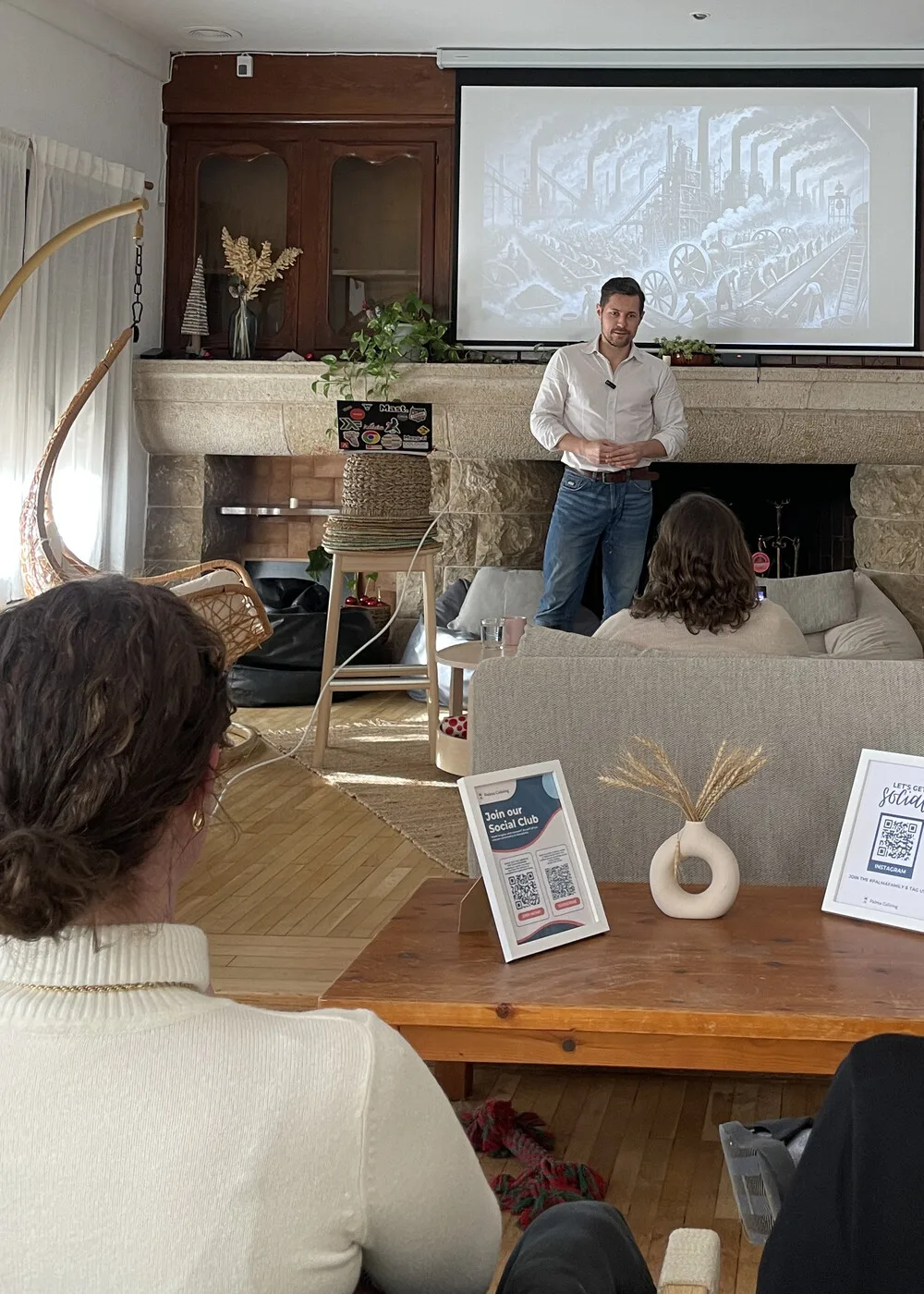
Your talk was so well done. You have a gift for explaining things; so many people love jargon or don't think about how they are communicating to their audience.
Robert has a rare talent for explaining complex AI concepts in a way that is both engaging and easy to understand. His passion for AI is contagious, and it's been a joy to see my team's understanding and enthusiasm for the subject grow!
Buying AI was the easy part.
Almost every company has access to AI now. Very few have a team that uses it every day. Some of this may sound familiar:
- You announced it at the all-hands. Two people tried it that week. One still does.
- Your most curious employee became the office AI help desk. Their own work naturally has to wait.
- Someone pasted a client contract into a free chatbot. Nobody knows if that was okay.
- Half the team worries AI will replace them. The other half thinks it's a toy.
- The licenses renew every month. Nobody can tell you what they've saved.
Meanwhile, the know-how that runs your business still lives in a few people's heads. AI can't use it there. Neither can your next hire.
Two things your team is missing.
An understanding of how AI works.
They can skip the math. They need enough to know why AI gave a strange answer, how to fix it, and when to leave AI out of it. Without that, every new tool is a new mystery.
A process clear enough to hand over.
If a task only exists in someone's head, AI can't help with it. In my experience, this is where most AI rollouts stall, long before anyone logs in.
A gym membership never made anyone fit.
You can pay for the best gym in town and never go. What changes people is a good trainer: someone who shows you the moves, corrects your form, and builds the habit with you, week by week.
A good trainer also works toward a day you might not expect: the day you train without them.
That's how I work with teams.
From "we should use AI" to "this is how we work now."
Listen
Before I design anything, I talk to your managers and your team. How does the work get done today? Where does the time go? Those conversations become the training, so every example comes from your own work.
Train
Hands-on workshops on your team's real tasks, in plain language. Everyone learns the building blocks that every AI tool runs on, so they can figure out the next tool on their own. Everyone leaves with something they built.
Map
Together, we pick the workflow that eats the most time and map it from one handoff to the next. You get a written plan: what to train, what to automate, and what to leave alone.
Build
When a workflow is ready, I build AI into the tools your team already opens, so there's no new app to learn. I document it and hand it over, and it runs without me.
A one-minute lessonEvery AI tool runs on the same three building blocks.
This is the first thing I teach every team. Once people see it, new AI tools stop being a mystery.
The model.
The engine that reads, writes, and reasons. Different brands, similar engines.
The instructions.
What you ask, and how clearly. Most disappointing answers start here.
The information.
What the AI can see right now. When the facts are missing, it guesses, and its guesses can sound very confident.
A new AI tool is the same three blocks in a different box.
A team that knows this can work out the next tool without waiting for another training. I call it figure-it-out ability, and it's what I train.
What clients say about the time they got back.

A lot of the calls were the same questions over and over. Pixel now answers questions like balances, payments, and board letters. We're saving at least 60% of our time on basic phone calls. The numbers are amazing.
Martin Lobb
Founder and President, Metropolis

Automation frees us from technical and repetitive tasks, so we can focus on what matters most — taking care of our customers and supporting them properly.
Leena Brunner
Marketing Specialist, Rico Brunner Energy Field Therapy

The software basically accelerates my entire lead generation process. It removes a major bottleneck and makes outreach far more efficient. That saved me about 15 hours at least per week.
Harry Maule
B2B Growth Marketer and Copywriter
Is this for you?
This works best if:
Your company has 20 to 200 people, and most of them aren't technical.
Your team handles clients, calls, documents, and follow-ups, and too much of it repeats every week.
You've seen what AI can do, and you want your team to use it in daily work.
You want your team to run it themselves, without a consultant on call forever.
My job is done when your team stops calling me.
Everything I build, I document. Everything I teach, I teach so your people can pass it on to the next hire. You keep the skills, the playbooks, and the systems.
That's what lasting AI transformation looks like to me: a year from now, your team works differently, and nobody has to remind them.
My mission is to help 1,000 companies save $1,000 a month per employee with AI. It only counts if the savings continue after I leave.
Teach me one process. I'll draw you the map.
Book 30 minutes. Walk me through one workflow that eats your team's time. We sketch it together and mark where the work gets stuck. You keep the sketch, whether we work together or not.
If I'm not the right fit for you, I'll tell you on the call.
Tell me a little about your team.
Not ready to talk? Get your free AI readiness report →