Body Corporate Managers Can’t Wait for a Quiet Week to Start with AI
Will Marquand of Tower Body Corporate explains how his managers sort their inbox with a daily AI summary, and why he did not wait for a calm week to start.
With Will Marquand, General Manager and Senior Strata Manager, Tower Body Corporate
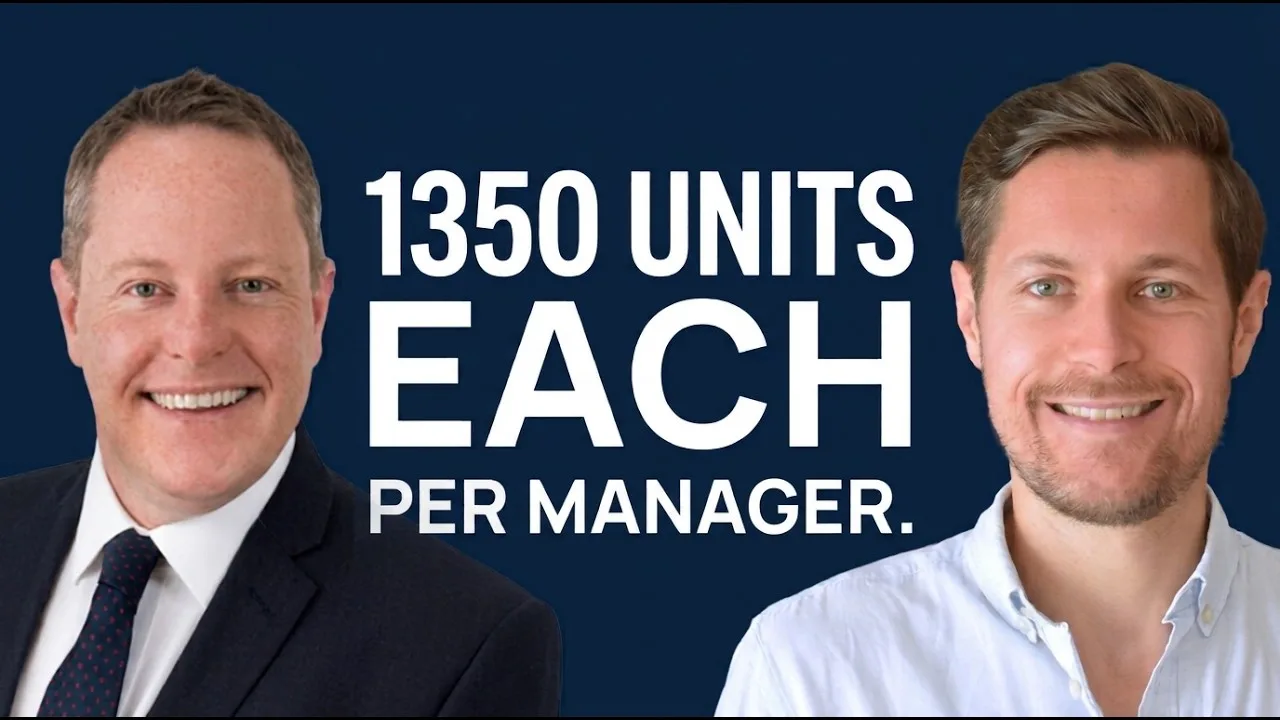
Will Marquand is General Manager and Senior Strata Manager at Tower Body Corporate on the Gold Coast in Queensland. Tower manages 160 buildings, from two lots to about 300, with a team of ten. I wanted to know how a team of that size keeps up with its owners, and where AI already helps.
A Daily AI Summary Sorts the Inbox Before the Manager Does
Body corporate is the Queensland term for what other parts of Australia call strata or owners corporation. Tower’s owners prefer email and the phone. Will thinks the reason is the Gold Coast’s slightly older population.
Will was a journalist in Sydney before he became a body corporate manager eleven years ago, and he judges email as a writer would.
“… email is not a very good tool of communication. … People can’t really hear your tone of voice or anything like that. So there’s a lot of miscommunication across emails.”
Will Marquand
It is still Tower’s main channel. I asked Will how an incoming email becomes a piece of work. In the traditional method, he said, a manager arrives in the morning, finds 60 or more new emails, scans them all and decides which matter most. AI now does much of that first sorting.
“So I think most of my managers now have set up like a daily summary, right? So instead of having to come into the morning just to review all of those emails, they will just review that summary and it will hopefully tell them which items are most important …”
Will Marquand
The managers then work on the most important items first. Tower added the summary from outside its main software. Will said the software’s maker planned to launch its own AI module within a month of our recording.
How Many of Your Morning Emails Need a Manager?
Will’s managers let a summary sort the inbox before they open it. The free AI readiness check shows where AI can take sorting work off your team, in under 60 seconds.
Tower Started with One Email and One Honest Question
Will does not call himself an AI expert, and he describes Tower’s start as trial and error. The company settled on Claude and began with one reply to an owner.
“… I might drop an email into Claude and say, ‘Hey, what do you think about this email? Can you provide a response for me?’ See if it works.”
Will Marquand
The team checked whether the answers were consistent and whether Claude understood the legislation or made errors. With the right prompts and direction, Will found the quality “quite good.” He sees document review and financial analysis as the next uses.
The rollout came from the top. Will chose the tool, gave it to the managers and brought in an external company for a training session, which he found extremely useful. Before that, he asked his team a question.
“… are you happy with what you’re doing now? Answer truthfully. And most of the time it’s like, ‘No, I find the way we work to be frustrating in certain ways.’ And it’s like, ‘Okay, well, let’s try to improve that.’”
Will Marquand
After the training he let the managers get on with it. When an idea fails, Will’s rule is to try it two or three different ways and then move on to the next one.
The Quiet Week to Start with AI Is Not Coming
I told Will that many guests on the show want to experiment with AI and cannot find the hours. He knows the feeling. Managers answer emails all day and feel they have made no real progress. In eleven years in the job, he said, he has not had an easy week.
“If I never have time, the time to start making changes is now. Because otherwise I will never do it.”
Will Marquand
The pressure comes from a shortage. There are more buildings and units than managers to look after them.
“I think in Queensland it’s around 1,350 units per manager. … And realistically, that’s probably more units than any one manager can manage effectively and well.”
Will Marquand
The figure comes from statistics that were about 18 months old when we recorded. Tower’s answer is a containable number of buildings for each manager, with support staff and technology behind them.
Software Wants One Process, and Every Committee Wants Its Own
Other guests have told me that technical people rarely understand the body corporate business. Will agreed.
“It’s difficult to systematize body corporate because every body corporate scheme is individual and is run by its own independent committee.”
Will Marquand
Technology aims for the same process every time, and committees want help for their specific building. Will said outside providers tend to picture a management company as something like a bank, where the customer expects the same routine every day.
“In body corporate, it’s like, yeah, we want to know what we’re doing, and then just change it a little bit each time for each individual customer.”
Will Marquand
The products he has seen fail made sense as systems and could not make that small change for each customer. He would like software teams to talk with people in the industry before they design. The products that work, he said, often come from someone inside the industry.
Three-Year Contracts Hide How Far Behind a Firm Can Fall
Near the end I asked what would happen if Tower stopped experimenting. Not much at first, Will said. Contracts in body corporate often run for three years, so most firms could carry on as they are for three or four years without an effect on the business.
“… at some stage I would expect they will just hit a cliff where if you’re not making changes as you go along, suddenly you’ll look around and you’ll find out other people have just jumped ahead of you and it’s gonna take you an awful long time to catch up.”
Will Marquand
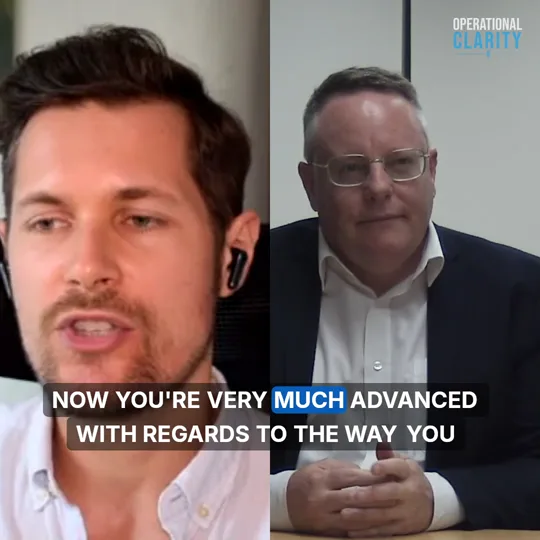
Will is just as direct about the limits. I asked where AI could make body corporate management worse. In many areas, he said, when the people who use it do not understand the work to begin with.
“So it has to be used by people who already know what they’re doing.”
Will Marquand
What I Took from Will
What stayed with me is how small Tower’s first steps were. Will pasted one email into Claude and asked his team an honest question, and the morning summary came later. None of it needed a free week.
If your managers also spend the day in the inbox, you can copy his order. Ask the team what frustrates them, then test one tool on real work that an experienced manager can check. Will’s one condition is that the people who use AI already know the job.
Is Your Team Waiting for a Quiet Week?
If your managers spend the day in the inbox, the calm week to try something new will not arrive by itself. A small first step fits into a normal day.
The free AI Readiness Check asks a few short questions about how your team works today. You get your readiness level, three next steps and a 30/60/90-day plan by email.
It takes less than 60 seconds.
Will Marquand is General Manager and Senior Strata Manager at Tower Body Corporate. Facts and figures are as Will stated them at the time of recording.

Will Marquand
General Manager and Senior Strata Manager, Tower Body Corporate
Tower Body Corporate manages small to large complexes across the Gold Coast, Brisbane and Southeast Queensland, with a focus on transparency, responsive managers and direct communication.
towerbodycorporate.com.au- Location
- Gold Coast, Queensland, Australia
- Portfolio
- 160 buildings, from 2 to about 300 lots
- Team
- 10 people
- Experience
- 11 years as a body corporate manager
More episodes
Your team could be the next result.
Book 30 minutes. Walk me through the workflow that eats the most time. We'll map it together, and you keep the sketch, whether we work together or not.
Tell me a little about your team.
Not ready to talk? Get your free AI readiness report →