Automation Runs the Process, AI Remembers the Building
Chris Miller helped build Vantage Strata to about 250 buildings, mostly in Canberra. He explains why the building comes first, and where automation and AI fit.
With Chris Miller, Director of Business Development, Vantage Strata
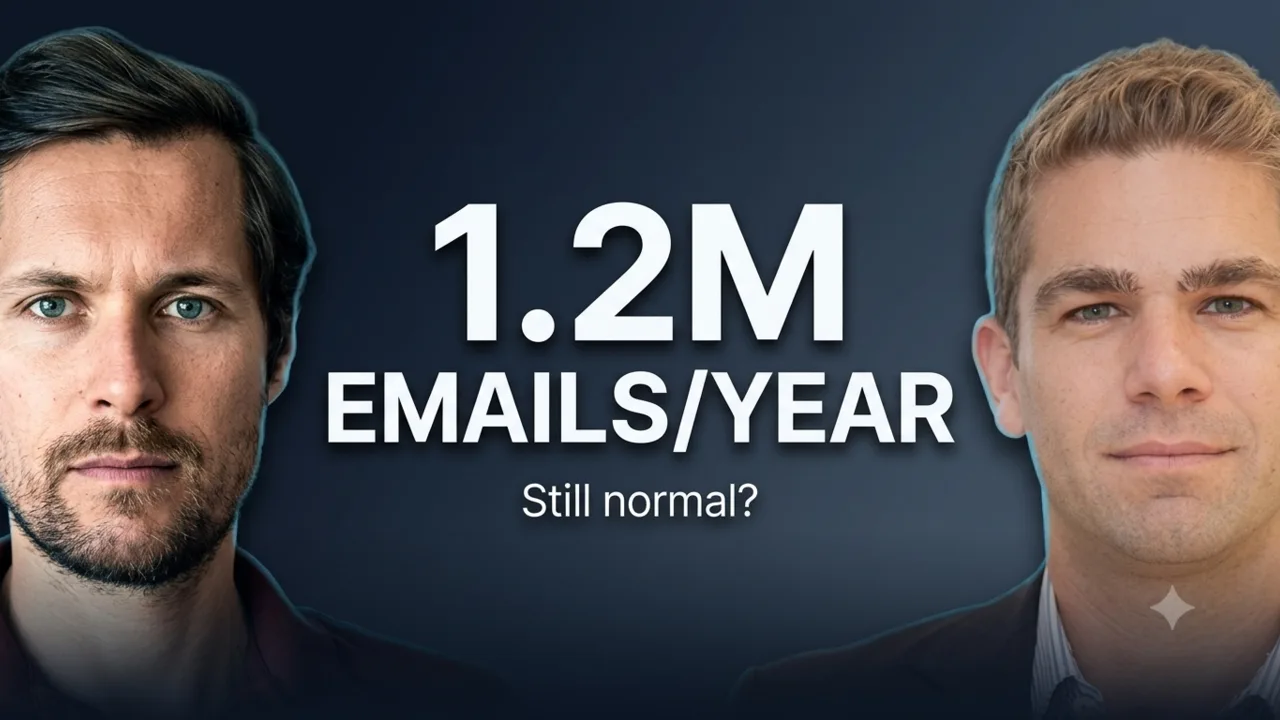
Chris Miller helped start Vantage Strata, which looks after about 250 buildings and 18,000 units, mostly in Canberra, Australia. Strata is the Australian term for buildings with individually owned units and shared common property, much like an HOA in the US. I wanted to know how a company of that size handles its daily requests, and where AI fits.
The Building Comes Before the Money and the Legislation
Chris was open about how Vantage grew. He could not point to a great system behind it. In the early years the company hired aggressively every time it won new business, and the team built the systems along the way.
“We really were making it up as we went. What we did though was we really focused on exceptional service, whatever that looked like.”
Chris Miller
One early decision was deliberate. Chris and his business partner Rupert, who is now the CEO of Vantage, saw that strata software handled the levies (the regular fees that owners pay) and the legal side, and had almost no place to describe the building itself. In Chris’s view, the industry has the order backwards.
“Everything else is superfluous if you don’t have this building. The building is there. The building requires maintenance and needs things to be done to it. … so everything sort of flows out from the building.”
Chris Miller
So Vantage added a facilities and preventative maintenance system next to its strata platform, and a resident portal. The team recorded where each unit sits, who manages it and who the tenants are. When an elevator fails in one tower, they can tell the residents of that tower and nobody else.
Chris says this put Vantage far ahead of its competitors for three or four years. Then every strata manager had a resident portal, and the advantage was gone.
Email Is Still the Main Channel, Even with a Portal
I asked Chris which channel owners use most. “Unfortunately it’s still email,” he said. The portal works well for the notices that Vantage sends out. Requests that come in are harder, because most people contact their strata manager perhaps once a year.
“Tenants and owners, even owners aren’t waking up and going, it’s the morning, I’m gonna jump online to the resident portal and see what’s going on. … It’s not Facebook. No one cares enough.”
Chris Miller
Under Rupert, Vantage now promotes the portal at every touch point, down to the email signatures, and asks the building committees (the boards, in US terms) to do the same. The argument to owners is that a portal request finds the right person straight away. Chris recalled the figures from memory: about 1.2 million emails a year, which he thinks is more than 200,000 fewer than the year before.
Five or six years ago he proposed something more radical. He called it “pull the goalie,” after the ice hockey move where a team that is behind swaps its goalkeeper for an extra attacker. His team laughed, and Vantage never did it.
“Let’s get rid of email. Let’s tell people there is no email anymore. Pull the goalie. You’ve got a problem, you’ve got to go through the portal.”
Chris Miller
Today he thinks the channel may matter less. In his view, technology should now be able to read an email, recognize the sender and the issue, and check the history.
Where Do Your Team’s Emails Wait the Longest?
Chris’s team measures its email traffic closely. The free AI readiness check shows where AI can take sorting and routing work off your team, in under 60 seconds.
Automation Does the Process Work, AI Holds the Context
I asked which AI tools work for him today. Chris admitted to “a bit of paralysis by analysis.”
Vantage’s real experience is with automation, which Chris started before the first ChatGPT release. His partners approved about $60,000, and he thinks he spent more than $200,000 in the end.
“When we were doing automation, … you were having to tell it exactly what to do, it had no idea what it was doing or why it was doing it.”
Chris Miller
When one step in the chain changed, the machine stopped. Chris expects process work to stay about 80% automation, with AI added so that the system understands its objective.
He sees the higher value of AI in context. His example was a request for everything about the gardening at one building in the last twelve months. In it, owners complain about the mulch, the committee approves $30,000 of mulching, and then the irrigation turns out to need a $200,000 replacement. A manager who takes over a portfolio would know all of that at once.
“It’s a key complaint of customers that a strata manager’s away or leaves, new person comes in and they don’t know anything. They feel like it’s their job to have to retrain this person.”
Chris Miller
I put it to him that the knowledge would then stay with the business.
“That knowledge becomes institutional, not personal. And … it’s a hedge against people leaving.”
Chris Miller
He added that it helps even when nobody leaves, because nobody has to retell last year’s decisions to every new owner.
Strata Communities Have Buying Power That Nobody Uses
Chris had left strata for commercial real estate when his partners asked him to start Vantage. What brought him back was an idea that he has still not fully tested. A strata manager knows its buildings in detail, for example that 350 units have the same air conditioner and that it is eight years old.
“Fifty percent of the population of this country will live in a strata titled unit at some point and they all live in these concentrated communities.”
Chris Miller
He walked me through an example. Three hundred apartments need the same yearly air conditioner service. The manager collects commitments in advance and arranges access. A technician who normally charges $250 a visit charges $150, stays at one building for two weeks and does ten services a day, about twice what he could do across town.
The owner pays less, the technician earns more per day, and a margin is left for the manager. The same logic applies to hallway carpet. Chris imagines one order of 200,000 square meters for 150 buildings at once.
“All that opportunity is there. No one’s ever unlocked it. And I’m not professing to have the answers to that, although we’re doing a lot of work in that direction.”
Chris Miller
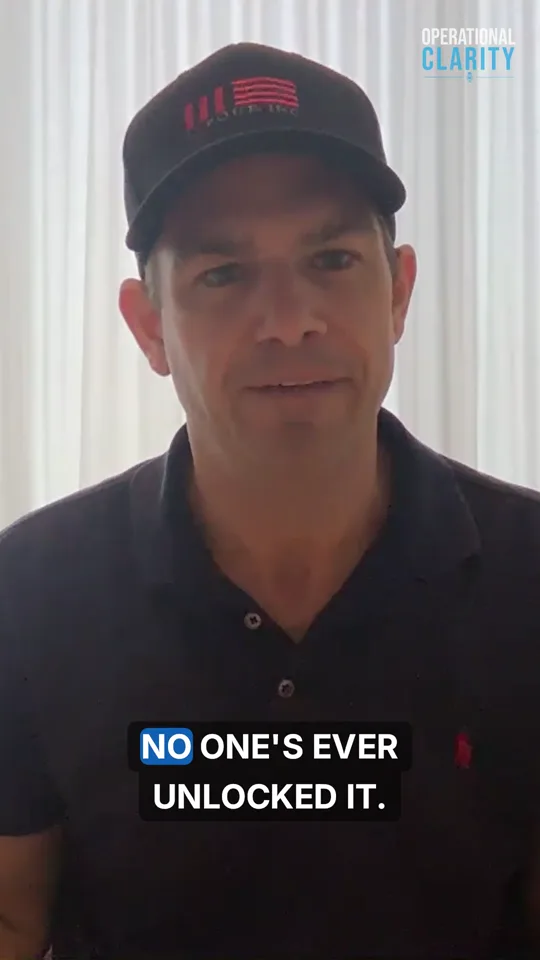
When Vantage started, Chris used to say that strata businesses would one day manage buildings for free on this basis. He now moderates that, and he was clear that it is “a theory that has not been tested or executed on” at Vantage, where the daily work left no room for it. He is testing it in a separate business.
What I Took from Chris
What stayed with me is the split Chris makes. Automation carries the fixed steps, and AI keeps the history of each building so that a new manager or a new owner can ask for it. Both depend on work Vantage did years earlier: records of who lives where, and a count of the emails.
Chris said that if he started again, he would design the process and the system before he filled the business with clients. For a team like yours, a small first step follows from that. Count the requests that come in, and mark the ones that only one person can answer.
Which Knowledge in Your Team Lives in One Person’s Head?
If a manager’s vacation means that owners wait, or explain everything again, your team has the problem Chris described.
The free AI Readiness Check asks a few short questions about how your team works today. You get your readiness level, three next steps, and a 30/60/90-day plan by email.
It takes less than 60 seconds.
Chris Miller is Director of Business Development at Vantage Strata. Facts and figures are as Chris stated them at the time of recording.

Chris Miller
Director of Business Development, Vantage Strata
Vantage Strata provides strata, facilities and onsite building management in the ACT and NSW, specializing in high-density and mixed-use communities.
vantagestrata.com.au- Portfolio
- About 250 buildings and 18,000 units
- Market
- Mostly Canberra, Australia
- Team
- 65 people
- Industry role
- President, Strata Community Association (ACT)
More episodes

Your team could be the next result.
Book 30 minutes. Walk me through the workflow that eats the most time. We'll map it together, and you keep the sketch, whether we work together or not.
Tell me a little about your team.
Not ready to talk? Get your free AI readiness report →