AI Buys the Team Time for Personal Contact With Every Client
Cristian Cortes built his Perth firm on personal service. He explains how AI gives his staff back three to ten hours a week, and what they do with them.
With Cristian Cortes, Founder, Cortes Management Group
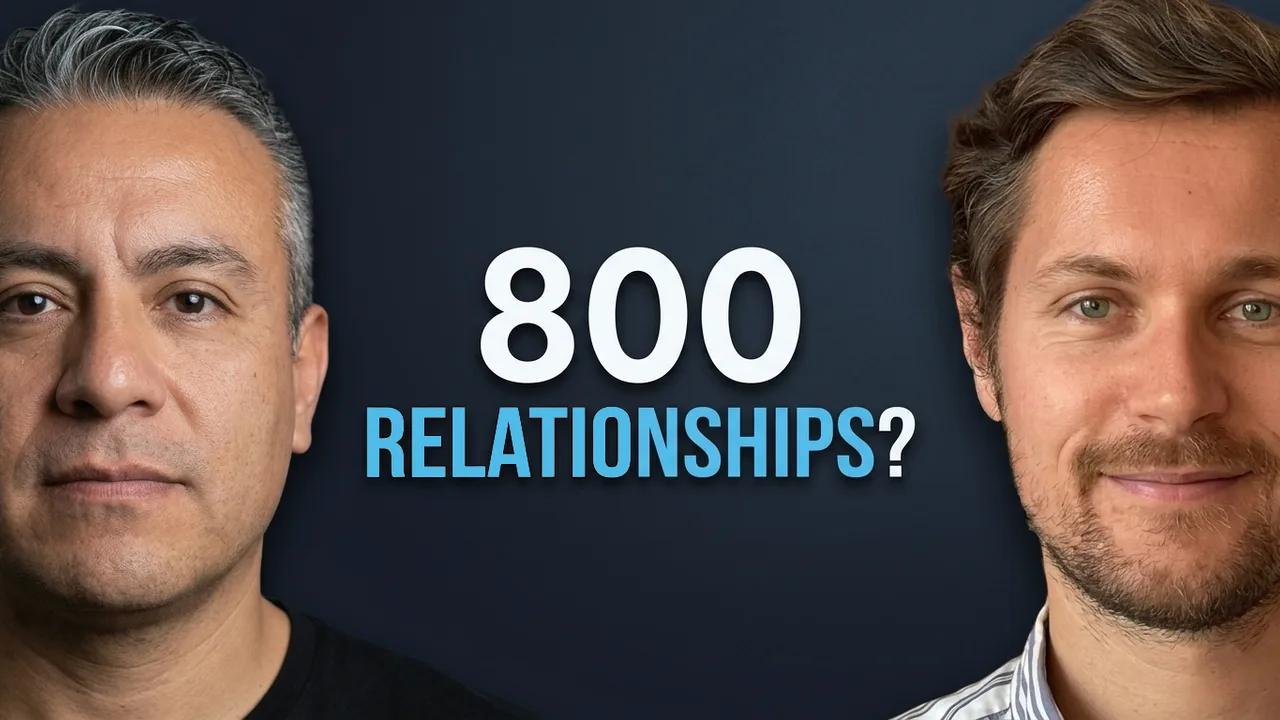
Cristian Cortes founded Cortes Management Group in Perth, Western Australia, in 2015. He started in a home office with residential property management. The company now has 19 people and also covers strata, commercial property, sales and leasing. I wanted to know how a firm that grew on personal service keeps that service when the founder can’t take every call.
Every Client Should Get Two Personal Contacts a Year
In 2015, Cristian saw his opening in personal service. Every client got a phone call and a first meeting in person. He once met a client in transit at the airport, early in the morning, to get a contract signed.
Then the company grew into commercial property and strata (the Australian counterpart of a US HOA or condo association), and staff had less time for each client.
“I wish I can say it’s been seamless and it’s been a well oiled machine, but it hasn’t. There were a number of years there that those services dropped.”
Cristian Cortes
In those years, every client still had his mobile number, and an unhappy client called him directly. Today the company is, by his estimate, about 75% of the way through putting AI into every department. He has told his staff what the returned hours are for.
“… it’s buying back our staff hours. And so what we’ve said to our staff is those hours that you’re getting back, which can be anywhere between three and ten hours a week, utilize it to make sure that we have those touch points.”
Cristian Cortes
The retention strategy asks for two personal contacts with every client each year. The first is a phone call before the end of the financial year, to talk through the client’s goals before they meet their accountant. The second comes at the end of the year, to say thank you. A birthday text message has just been added.
The People Who Do the Work Review the Process
I asked Cristian how he knows that a process is a good candidate for automation. He began with the people who run it. The company tracks KPIs every week. When a staff member keeps missing them, the managers look for the cause, and sometimes the cause is a process that is out of date.
Every department also meets once a year to review its processes and to decide which ones still work and which are outdated. The ideas for the changes come from the staff.
“I can sit there and tell our team, okay, this is where we’re going, this is how we’re gonna do it. But they’re the ones doing the work on the floor. So what I’m proposing may not be relevant, which is why we get everybody’s input …”
Cristian Cortes
A process built this way fits the people who use it, he said, and they understand it more easily.
“The staff actually owns the process because they’ve been part of that journey to get to where we are.”
Cristian Cortes
The Team’s Habits Show When a New Tool Fails
Cristian looks for new tools himself. The team tells him where they struggle, and he researches products. Then the marketing team, which is also the company’s AI team, goes through the webinars and training modules before the rollout.
“I never want to be in a position where we are using systems that I’m not familiar with.”
Cristian Cortes
At the beginning of the year, the company brought in a new software product. The team needed three months to understand it. Six weeks after the rollout, the managers saw that staff took twice as long to answer emails. They had gone back to their manual process.
“So they tried it, it didn’t work. They reverted back to the old way and reported the issue to us so that we can actually relook at that.”
Cristian Cortes
Cristian replaced the product. He said the team likes the new one and finds it easier to use. From the first rollout to a tool that worked, the company needed five months.
So far he has not needed custom software. The departments use off-the-shelf products, and the commercial team of about five people is setting up Monday.com for its task flows.
Which Tools Does Your Team Pay For and Not Use?
Cristian’s staff went back to the old way within six weeks. The free AI readiness check gives you a readiness level and three next steps for your own team, in under 60 seconds.
Cristian Pays for Experience and Asks Candidates About AI
On the morning of our recording, Cristian had interviewed a senior strata manager for a seat that had been open for about eight months. He offered the role, and the candidate accepted.
For an earlier senior role, he wanted someone with an interest in AI and automation. He asked how well the candidate knew AI and which AI or automation systems their employer used. A candidate with only a general overview, which is most people, gets one more question: are you open to an intensive AI course?
The answers matter to him because a new hire costs more than the salary. He counts another 10 to 15% on top for training. In his early years he hired inexperienced property managers, because he thought he could train them.
“Those mistakes end up costing me about twenty percent of my profit margin a year. And it took me longer to get to where I want to get to.”
Cristian Cortes
Every AI Project Needs a Reason First
I asked Cristian what will separate the leading firms from the rest in the next five to ten years. His answer was to implement AI and automation effectively, and to know why you do it. He has friends whose companies pay a subscription for AI that the staff don’t use.
He listed the reasons he hears from other owners. Some want the same work done by fewer people, and others want happier staff or market share. His own reason is the client contact.
“For us, for example, the reason why we are implementing AI and automation is to buy our staff time so that they can fulfill their client retention strategies that we’ve put in place effectively.”
Cristian Cortes
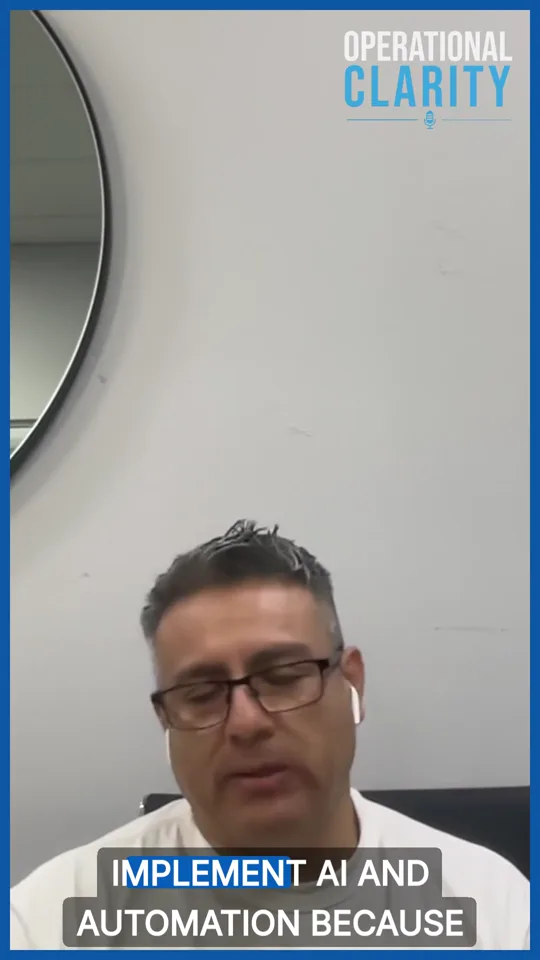
“I would not recommend you implement AI and automation because everybody else is doing it. I will really look at your business model, understand your business model and then understand how AI and automation can enhance that.”
Cristian Cortes
What I Took From Cristian
Cristian decided what the saved hours are for, and he told his staff: use them to stay in touch with clients. I think that makes a rollout easier to judge, because everyone knows what the tool should give them.
I also liked how he tests a tool. He watches what the team does with it. When his staff went back to the manual way, he took that as a verdict on the software and replaced it.
If you run a team like his, write down what the saved hours are for before you buy anything. Then review the result with the people who do the work.
What Would Your Team Do With Three to Ten Hours a Week?
Cristian has his answer: two personal contacts a year with every client. To find a starting point for your own team, take the free AI Readiness Check. It asks a few short questions about how your team works today.
You get your readiness level, three next steps and a 30/60/90-day plan by email.
It takes less than 60 seconds.
Cristian Cortes is the founder of Cortes Management Group. Facts and figures are as Cristian stated them at the time of recording.

Cristian Cortes
Founder, Cortes Management Group
Cortes Management Group is a Perth-based, fully licensed real estate business for residential and commercial property management, strata management, and property sales and appraisals.
cortesmanagementgroup.com.au- Location
- Cockburn Central, Western Australia
- Founded
- 2015
- Team
- 19 people
- AI rollout
- About 75% complete at recording
More episodes

Your team could be the next result.
Book 30 minutes. Walk me through the workflow that eats the most time. We'll map it together, and you keep the sketch, whether we work together or not.
Tell me a little about your team.
Not ready to talk? Get your free AI readiness report →